Most people visit the dentist for cleanings, fillings, or cosmetic concerns. But there is a whole other side of oral health that often goes unnoticed — the health of the soft tissues, bone, and structures inside the mouth.
If your dentist spots something unusual during a routine exam, they may refer you to a specialist. Knowing when an oral pathology examination is needed could make a genuinely important difference to your health.
This guide explains what an oral pathologist does and when you should consider seeing one.
What Is an Oral Pathologist?
An oral pathologist is a dentist trained to detect oral diseases. The specialist can find diseases of the soft tissue, salivary glands, jawbone, and nerves of the oral area.
Unlike a general dentist, who treats the teeth and gums, an oral pathologist focuses on understanding what is happening at a deeper level—often through the analysis of tissue samples, biopsies, and laboratory testing.
They work closely with dentists, oral surgeons, and other medical professionals to ensure patients receive an accurate diagnosis and the right treatment plan.
When Might You Need Pathology Services?
Many patients are referred to get a pathology in Brandon services after a dentist notices something during a routine exam that does not look or feel normal. In other cases, a patient may notice a change themselves and seek advice directly.
Common reasons for referral include:
- A sore or ulcer in the mouth that has not healed after two to three weeks
- A white or red patch on the tongue, cheek, or gum that appeared without an obvious cause
- A lump or swelling inside the mouth, on the jaw, or in the neck area
- Persistent pain or numbness in the mouth or face with no clear dental explanation
- A tooth socket that has not healed properly after an extraction
- Unusual changes in saliva flow or function of the salivary glands
- Jaw swelling or changes visible on an X-ray that need further investigation
These signs do not always indicate something serious, but they all deserve proper evaluation.
What Happens During an Oral Pathologist Consultation?
An oral pathologist consultation is thorough but not intimidating. Here is what you can typically expect:
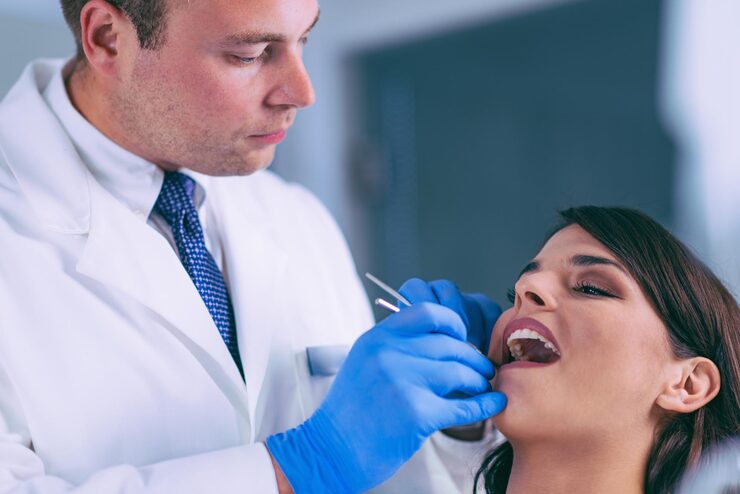
The specialist will begin by reviewing your medical and dental history. They will then carry out a detailed examination of the mouth, throat, and surrounding structures — looking at the tongue, cheeks, floor of the mouth, roof of the mouth, lips, and glands.
If a suspicious area is identified, a biopsy may be recommended. This involves removing a very small piece of tissue that is then sent to a laboratory for analysis. The results help determine what the tissue is, whether it is benign or concerning, and what treatment — if any — is needed.
The process is more straightforward than most people expect, and the information it provides is invaluable for making the right treatment decisions.
Why Early Assessment Matters
Many conditions of the mouth and jaw respond much better to treatment when they are caught early. Oral cancer, for example, has a significantly higher survival rate when diagnosed at an early stage compared to when it is found later.
That is why unexplained changes in the mouth — even painless ones — should never be dismissed or left to see if they resolve on their own.
Patients who pursue oral surgery in Brandon services or specialist assessment promptly tend to have more straightforward treatment paths and better long-term outcomes. A change that seems minor today may be important to address now rather than months down the line.
What to Watch for at Home
Between dental visits, it helps to be aware of changes in your own mouth. Once a month, take a quick look at:
- The inside of your cheeks and lips
- The top, bottom, and sides of your tongue
- The roof and floor of your mouth
- Your gums and the area behind your back teeth
If you notice anything that looks different, feels unusual, or has been present for more than two to three weeks without improving, mention it to your dentist or seek an oral surgery near you who can refer you appropriately.
Take the Next Step – Visit Orange Blossom Oral Surgery, Brandon
Changes in your mouth deserve proper attention — not a wait-and-see approach when something does not feel right. The sooner an unusual sign is assessed, the more options are available for addressing it.
At Orange Blossom Oral Surgery, the team is experienced in identifying and addressing oral health concerns with care, precision, and a thorough approach. If you or your dentist has noticed something that needs a closer look, book your consultation today and get the clarity you need.
FAQs
Do I need a referral to see an oral pathologist?
In most cases, a referral from your dentist or general practitioner is the usual path. However, if you have noticed a change in your mouth that concerns you, you can also contact an oral surgery or specialist clinic directly to ask about your options.
Do I always need a biopsy when I see an oral pathologist?
No, not always. Your specialist will carry out an examination first, and if necessary, a biopsy will be required according to the appearance of the lesion and the clinician’s initial diagnosis.
How long does it take to get biopsy results?
Most biopsy results are returned within one to two weeks. Your specialist will contact you to discuss the findings and explain what they mean for your care.
Are all mouth sores a reason to see a specialist?
Not all mouth sores require specialist referral. Many ulcers caused by minor trauma or stress heal within one to two weeks on their own. However, any sore or patch that does not heal within two to three weeks, or that keeps coming back, should be evaluated by a professional.