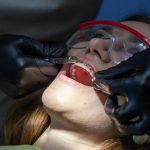
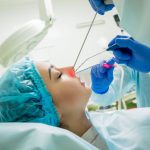
Some tooth and jaw alignment problems cannot be corrected with braces or clear aligners alone. When the position of the teeth is closely linked to the shape or position of the jawbone, orthodontic treatment may need surgical support. Surgically assisted orthodontics combines orthodontic care with a surgical procedure to help move teeth when routine orthodontic treatment may not be enough. This approach is usually planned by an orthodontist and an oral surgeon working together.
The goal is to improve your bite and straighten your teeth while also treating problems with your jaw or bone. Knowing how the treatment works can help you understand what to expect and why surgery may be part of your orthodontic treatment.
What Is Surgically Assisted Orthodontics?
Surgically assisted orthodontics is a treatment approach that combines tooth movement with a carefully planned oral surgery procedure. It may be considered when the teeth cannot be moved into the desired position through orthodontic treatment alone.
For some complex cases, surgically assisted orthodontics in Brandon may help make certain tooth movements possible or improve the conditions around the teeth before or during orthodontic treatment.
The exact procedure depends on the type of alignment problem and your overall oral health.
How Does Surgically Assisted Orthodontics Work?
The treatment usually involves several stages, with orthodontic and surgical care planned together.
A typical treatment may include:
- Initial evaluation: Your teeth, bite, gums, and jaw are examined to understand the problem.
- Treatment planning: Your orthodontist and oral surgeon determine whether surgery should be part of your treatment.
- Orthodontic preparation: Braces or another orthodontic appliance may be used before surgery to begin positioning the teeth.
- Surgical procedure: The oral surgeon performs the planned procedure to address the bone or jaw concern.
- Further orthodontic treatment: Tooth movement continues after healing according to the treatment plan.
- Final alignment: The teeth are gradually guided into their planned positions.
Your exact timeline can vary depending on the procedure, tooth movement needed, and how your mouth heals.
When Might Surgery Be Needed During Orthodontic Treatment?
Surgery may be considered when an orthodontic problem involves more than the position of individual teeth. In some cases, the jawbone or surrounding bone may limit how much the teeth can safely move.
Surgically assisted treatment may be considered for concerns such as:
- Complex tooth positioning
- Certain jaw-related bite problems
- Teeth that need more extensive movement
- Bone-related limitations that affect orthodontic treatment
- Cases where orthodontic movement alone may not provide the planned result
A detailed examination is needed before deciding whether surgery is appropriate.
What Happens During the Surgical Part of Treatment?
The surgical portion depends on the reason surgery is being recommended. Before the procedure, your treatment team explains what will happen, how to prepare, and what recovery may involve.
The surgical procedure is performed by an oral surgeon, while orthodontic treatment is used to guide the teeth before or after surgery. If you are considering oral surgery in Brandon, discussing the planned procedure with an oral surgeon can help you understand how the surgical step fits into your overall treatment.
Following the care instructions after surgery is important. Your treatment team may provide guidance about eating, cleaning your mouth, physical activity, and follow-up visits.
What Are the Benefits of Surgically Assisted Orthodontics?
The main benefit is that surgery can help treat some jaw or bone problems that braces or tooth movement alone cannot fix. Using both treatments together can provide a more complete plan for complex tooth and bite problems.
Possible benefits include:
- Addressing certain jaw or bone problems
- Helping with planned tooth movement
- Improving how your teeth fit together when you bite
- Bringing orthodontic and surgical care together
The benefits can vary depending on your condition and treatment goals.
Is Surgically Assisted Orthodontics Right for You?
Not every orthodontic problem requires surgery. A complete evaluation helps determine whether orthodontic treatment alone is appropriate or whether surgical support may be useful.
If you are looking for oral surgery near you, the evaluation may include an examination and dental images to understand the position of your teeth, jaw, and surrounding structures. Your treatment team can then explain the available options and what each stage may involve.
Explore the Right Path for Your Smile!
Orthodontic treatment can be different for each person. A dental check-up can help you understand your treatment choices and whether you may need surgery as part of your care.
Schedule an appointment with Brandon Oral and Maxillofacial Surgery to review your concerns, explore your treatment options, and find out whether surgical support is appropriate for your case.
FAQs
Does everyone with a severe bite problem need surgery?
No. Some bite problems can be fixed with braces or other orthodontic treatments. Surgery is only considered when it may be needed for the jaw or a more serious problem.
How long does this treatment take?
The time is different for each person. It depends on the surgery, tooth movement, healing, and your overall treatment plan.
Will orthodontic treatment continue after surgery?
Often, yes. Braces or other orthodontic treatment may continue after surgery to move the teeth into their final positions.
How do you know if you need this treatment?
An orthodontic and surgical check-up can help determine if you need surgery. Your treatment team can explain your options and why surgery may be recommended.