Bone grafts are often recommended when the jawbone needs extra support before certain dental treatments. Many patients wonder how to make a dental bone graft heal faster because proper healing is important for good results. The healing process depends on several things, such as good care, healthy habits, and carefully following the instructions after the procedure.
After a bone graft procedure, the body slowly builds new bone in the treated area. This process takes time, but certain habits can support faster recovery. Understanding how healing works can help patients protect the area and avoid complications.
Understanding Bone Grafting
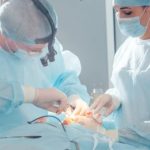
In many cases, patients may need bone grafting in Brandon to rebuild the jawbone before certain dental treatments. This procedure helps restore the structure of the jaw so future treatments can be successful. During the process, a small amount of grafting material is placed in the area where bone support is needed. Over time, the body accepts the graft, and new bone begins to grow.
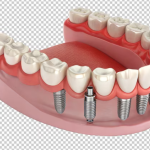
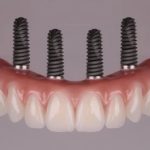
Bone grafting is a procedure used to rebuild or strengthen the jawbone. It is often recommended when the bone is not strong enough to support a dental implant or when bone loss has happened over time. Strengthening the bone helps support future treatments and improves overall oral health.
Tips For Faster Bone Graft Healing
Healing can take several months, but patients can take simple steps to support recovery. Following proper care instructions helps protect the graft and allows the bone to heal correctly.
Some helpful tips for faster bone graft healing include:
- Keeping the area clean by following oral hygiene instructions
- Avoid touching the surgical site with fingers or tongue
- Eating soft foods while the area heals
- Avoiding smoking and alcohol during recovery
- Taking prescribed medication as directed
These steps help reduce irritation around the graft and support natural bone growth.
Healthy Habits That Support Healing
The body heals more efficiently when it receives proper nutrition and rest. Healthy daily habits can improve recovery and protect the surgical area.
Some helpful habits include:
- Eating foods rich in calcium and protein
- Drinking enough water throughout the day
- Getting adequate sleep to support healing
- Avoiding hard or crunchy foods that may disturb the graft
- Following all aftercare instructions carefully
These habits allow the body to focus on rebuilding bone tissue.
Why Aftercare Is Important
Aftercare plays an important role in the success of a bone graft. Ignoring instructions or placing pressure on the area too soon can slow healing.
Patients should be careful during daily activities while the graft heals. Gentle brushing and avoiding the surgical site help prevent irritation. Regular follow-up visits also allow the dental team to check how the bone is healing.
Speaking with a dentist in Brandon can help ensure the healing process stays on track. Monitoring the graft allows early detection of any problems so they can be treated quickly.
How Long Healing Usually Takes
Bone graft healing does not happen immediately. The body needs time to build new bone around the graft material.
Healing time may vary depending on:
- The size of the graft
- The patient’s overall health
- How well are aftercare instructions followed
- Whether smoking or other habits affect recovery
In many cases, bone healing may take several months. During this period, the graft slowly becomes part of the natural jawbone.
Signs That Healing Is Progressing Well
Most patients experience mild swelling or discomfort shortly after the procedure. These symptoms usually improve as healing continues. If you have concerns during recovery, speaking with a dentist near you can help confirm whether the healing process is progressing normally.
Common signs of normal healing include:
- Gradual reduction in swelling
- Less discomfort after the first few days
- Healthy gum tissue around the graft area
- Improved comfort when eating soft foods
If unusual pain or swelling continues, it is important to contact the dental office for guidance.
Long-Term Benefits Of Bone Grafting
Bone grafting helps rebuild the foundation of the jaw. Strong bone support is important for maintaining oral health and supporting future dental treatments.
Successful bone graft healing may provide:
- Stronger jawbone support
- Improved stability for dental implants
- Better long-term oral health
- Restoration of lost bone structure
When the graft heals properly, it helps restore the strength and function of the jaw.
Support For A Healthy Recovery
Brandon Oral and Maxillofacial Surgery provides careful evaluation and guidance for patients undergoing bone graft procedures. Our team focuses on patient comfort and clear instructions that support safe healing. Schedule your visit today and take a positive step toward restoring your oral health.
Frequently Asked Questions
How long does a dental bone graft take to heal?
Healing normally takes several months as the body slowly builds new bone around the graft.
Can I eat normally after a bone graft?
Soft foods are recommended during the early healing period to protect the graft area.
What should I avoid after a bone graft?
Patients should avoid smoking, hard foods, and touching the surgical area during healing.
When should I contact the dental office after surgery?
If swelling, pain, or bleeding continues for several days, it is best to contact the dental office for advice.