Thinking about sinus lift before dental implants? The procedure creates sufficient bone in the upper jaw to stabilize and secure an implant. Individuals considering sinus lift surgery in Brandon want to understand the benefits and risks. This way, they can feel prepared.
This blog explains sinus lift surgery in simple terms, outlines potential risks, and shows how careful planning can help reduce complications.
What is a Sinus Lift and Why is it Needed?
A sinus lift is done when there is not enough bone height in the upper jaw, usually near the back teeth. The sinus area sits just above these teeth. When the bone is thin or weak, implants may not have enough support.
The Sinus lift procedure gently raises the sinus lining and adds bone material below it. Over time, this bone becomes strong enough to support dental implants. This step helps make implant placement safer and more predictable.
How Sinus Lift Surgery is Performed
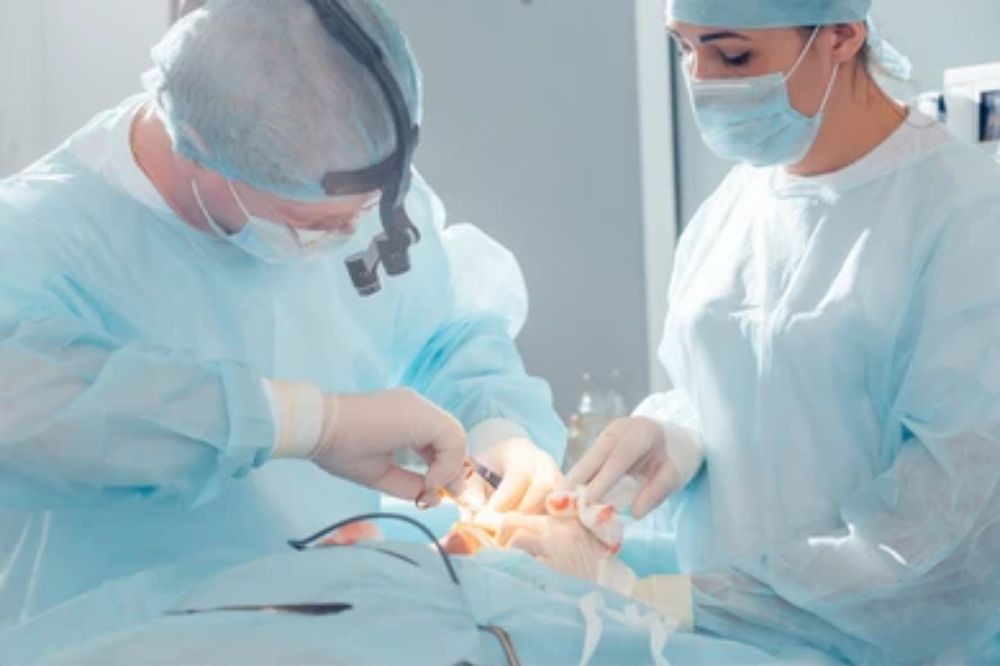
During the procedure, the surgeon carefully creates space beneath the sinus and places bone material where needed. The area is then allowed to heal over several months.
This careful approach helps:
- Build strong bone support.
- Protect the sinus lining.
- Prepare the jaw for future implants.
Even though it is a standard procedure, it is still surgery, so understanding risks is essential.
Common Risks Linked to Sinus Lift Surgery
Sinus lift surgery, like any surgical procedure, has risks. Most of them are manageable and temporary with proper care.
Risks May Include:
- Swelling in the cheek or jaw
- Slight bleeding post-surgery.
- Minor Pain
- Bruising near the treated area.
These effects usually improve within a few days as healing begins.
Sinus Membrane Tear: A Known Risk
A minor rupture in the membrane of the sinus is one of the eventualities. This is a thin and delicate lining, so handle with care.
If a tear happens:
- It is frequently fixed during the process.
- Recovery may take longer.
- The placement of the implant may be delayed.
Through careful planning and gentle techniques, the risk can be lowered.
Risk of Infection After Surgery
Infection is a concern with any surgical treatment. After a sinus lift, bacteria can enter the area if proper care is not followed.
Signs of infection may include:
- Ongoing swelling
- Fever
- Pain that increases instead of improving
- Unusual discharge
Following care instructions and attending follow-up visits helps lower infection risk.
Sinus Pressure and Congestion
Some patients feel pressure in the sinus area after surgery. This feeling is usually temporary and improves as swelling goes down.
To manage sinus pressure:
- Avoid blowing the nose.
- Sneeze with the mouth open
- Follow post-surgery instructions carefully.
These steps help protect the healing area.
Delayed Healing or Bone Growth Issues
Bone added during a sinus lift needs time to heal and bond with the jaw. In some cases, healing may take longer than expected.
Factors that affect healing include:
- Overall health
- Smoking habits
- Bone quality
- Following care instructions
Delayed healing does not always mean failure, but it may adjust the treatment timeline.
How an Oral Surgeon Helps Reduce Complications
Choosing an experienced oral surgeon in Brandon plays a key role in reducing risks. Surgeons carefully review X-rays and scans before surgery to plan the procedure safely.
A skilled surgeon focuses on:
- Careful sinus handling
- Accurate bone placement
- Clear post-surgery guidance
This attention helps lower the chance of complications.
The Role of Sinus Lift in Implant Success
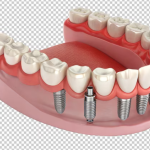
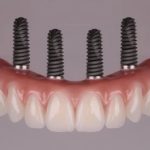
Sinus lift surgery is often done to support dental implant surgery. Without enough bone, implants may fail or loosen over time.
A successful sinus lift helps:
- Improve implant stability
- Support long-term chewing function.
- Protect nearby teeth
Although risks exist, the procedure often improves overall implant success.
What Patients Can Do to Lower Their Risk
Patients also play a role in reducing complications. Following instructions before and after surgery is very important.
Helpful steps include:
- Avoid smoking
- Take prescribed medications as directed.
- Keep follow-up visits
- Maintain good oral hygiene.
These actions support safe healing.
When to Contact a Dental Professional After Surgery
Some symptoms are typical, but others need attention. Patients should contact an oral surgeon near them if they notice unusual changes.
Call if you experience:
- Severe pain that does not improve
- Heavy bleeding
- Fever
- Signs of infection
Early care helps prevent larger problems.
Act Early to Reduce Risks and Complications!
What are your options for sinus lift surgery? Through careful planning and skilled treatment, healing can be optimised, and the risks kept low. At Brandon Oral and Maxillofacial Surgery, They provide expert care and clear guidance at every step to help you move forward with confidence toward treatment and long-term success. Book your appointment today!
FAQs
Is there discomfort from sinus lift surgery?
Many patients report slight to mild discomfort. Usually, pain is treated with medicines that improve in a few days.
How long does it take to recover from a sinus lift?
After a few weeks, there will be initial healing around the implant, but actual bone healing will take months before implants are placed.
Can sinus lift surgery fail?
Failure is uncommon. Proper planning and care significantly improve success rates.
Are sinus lift complications common?
Most complications are rare and manageable. Many patients heal without issues.