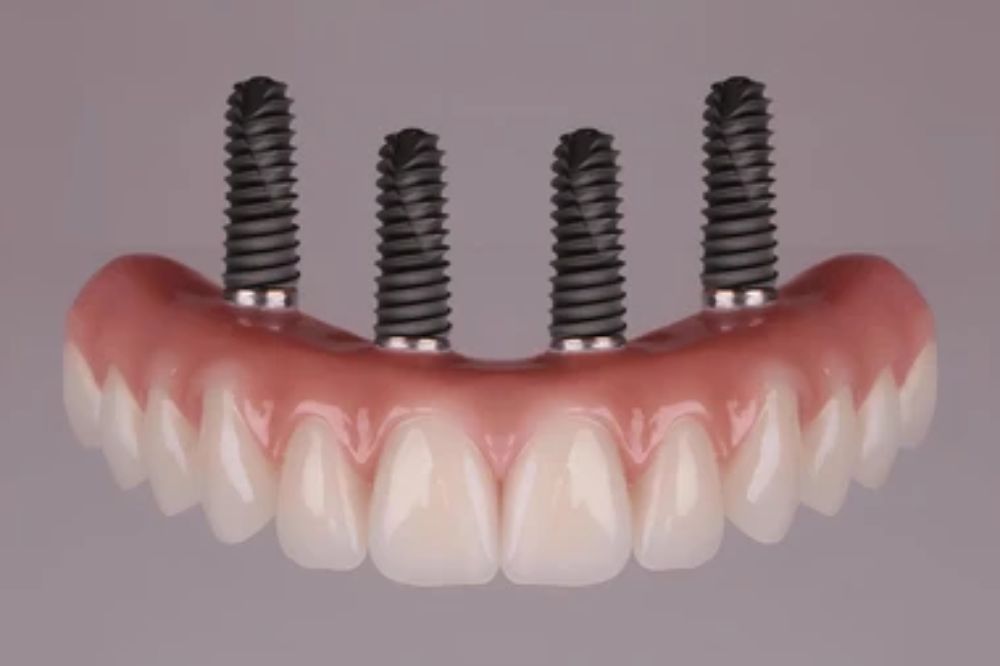
Starting the journey toward a brand-new smile is an exciting milestone. This innovative procedure allows patients to replace an entire arch of teeth using only four strategically placed titanium posts.
While the transformation is nearly immediate, understanding the healing timeline is essential for a successful outcome. If you are working with an oral surgeon in Brandon, you will receive a detailed aftercare plan tailored to your specific health needs.
Recovery is a phased process in which your body integrates the new hardware, and being prepared for each stage helps ensure your transition to a permanent, functional smile is as smooth and comfortable as possible.
How Should You Manage The First 24 Hours Of Healing?
The first day after your surgery is the most critical for setting the stage for long-term success.
Once you leave the office of an oral surgeon near you, your primary focus should be on rest and allowing a stable blood clot to form at the surgical sites.
Do not stress if you feel some oozing, swelling, or minor discomfort when the anesthesia wears off.
To manage this initial phase effectively:
- Apply Ice Packs – Use cold compresses on the outside of your cheeks for 15 minutes on, then 15 minutes off, to minimize facial swelling.
- Keep Your Head Elevated – Use extra pillows to sleep at an incline, which helps reduce throbbing and fluid buildup.
- Avoid Disturbing the Area – Resist the urge to rinse vigorously or touch the surgical sites with your tongue or fingers.
- Stay Hydrated – Drink plenty of water, but avoid using straws, as the suction can dislodge the healing clots.
What Are The Dietary Rules For All-On-4 Implants In Brandon?
One of the most significant adjustments during recovery involves your nutrition. While your new teeth look and feel remarkably real, the bone underneath is still undergoing a biological process called osseointegration.
For those receiving All-On-4 Implants in Brandon, a “soft-food diet” is typically required for the first few months.
This doesn’t mean you are limited to liquids, but you must avoid anything crunchy, sticky, or tough that could cause the implants to shift before they are fully fused to the jawbone.
Good options include:
- Mashed potatoes and soft-cooked vegetables.
- Scrambled eggs, yogurt, and smoothies.
- Flaky fish or finely shredded chicken.
- Pasta and well-cooked grains.
How Does A Full Mouth Reconstruction Change Your Routine?
Undergoing a full mouth reconstruction is a significant life event that requires a shift in your daily habits. Beyond just changing what you eat, you will need to adapt your oral hygiene routine.
During the first week, your dentist may recommend a gentle saltwater rinse rather than traditional brushing. As the tissue heals, you will be introduced to specialized tools like water flossers or soft interproximal brushes.
These tools are designed to clean the small space between your new bridge and the gum line, preventing bacteria from accumulating and causing inflammation.
Why Are Implant-Supported Dentures Different?
These are not traditional removable dentures. They are implant-supported dentures that are fixed in place, so you won’t have to worry about slipping, clicking, or sore gums.
During recovery, your speech may feel slightly different as your tongue adjusts to your new teeth.
Reading out loud or singing can help you adapt faster, and most people adjust within a week or two.
What Milestones Occur During The Long-Term Healing Phase?
Recovery isn’t just about the first few days; it is a journey that spans several months. By the end of the first month, most of the soft tissue will be fully healed, and any initial bruising or swelling will have vanished.
However, the most important work is happening out of sight. The titanium posts are slowly becoming a permanent part of your anatomy.
During this time, you will have several follow-up appointments to monitor the stability of the implants. Once the bone is fully fused, usually between three and six months, your temporary bridge will be replaced with your final, high-strength permanent restoration.
Achieving a Lasting Transformation
Recovery is a short-term commitment that leads to long-term confidence and function. By following your dental team’s instructions and giving your body time to heal, you help protect your new smile for years to come.
At Brandon Oral and Maxillofacial Surgery, we support you through every step of your surgical care. Our team focuses on expert treatment and personalized attention to keep your recovery as smooth and comfortable as possible.
If you have questions or are ready to begin your journey, contact our office to schedule a consultation and take the first step toward a healthier smile.
Frequently Asked Questions
How long is the total recovery period?
While you can return to work within 3 to 5 days, the full biological fusion of the implants into the jawbone usually takes between 3 and 6 months.
Is the recovery process painful?
Most patients report that the discomfort is manageable with prescribed or over-the-counter pain relievers and is much less intense than they initially expected.
When can I return to my regular exercise routine?
It is best to avoid strenuous physical activity for at least the first week, as an increased heart rate can lead to throbbing or bleeding at the surgical site.
Will I be without teeth during the recovery?
No, the beauty of this procedure is that a temporary set of functional teeth is usually attached on the same day as the surgery, so you never have to leave without a smile.